Severe bleeding can become dangerous within minutes, making quick action extremely important. Knowing the right emergency techniques can help reduce blood loss, improve safety, and support recovery until professional medical care arrives. Calm thinking, proper positioning, and effective pressure methods are often the most valuable tools during these situations.
Stay Calm and Assess the Situation
The first step is to remain focused and evaluate the injury carefully. Panic may delay helpful action, while a calm response encourages better decisions.
Important things to check:
- The location of the wound
- The amount of blood loss
- Whether the bleeding is steady or forceful
- The person’s level of alertness
- Possible additional injuries nearby
A quick assessment helps determine the safest way to manage the emergency.
Apply Firm Direct Pressure
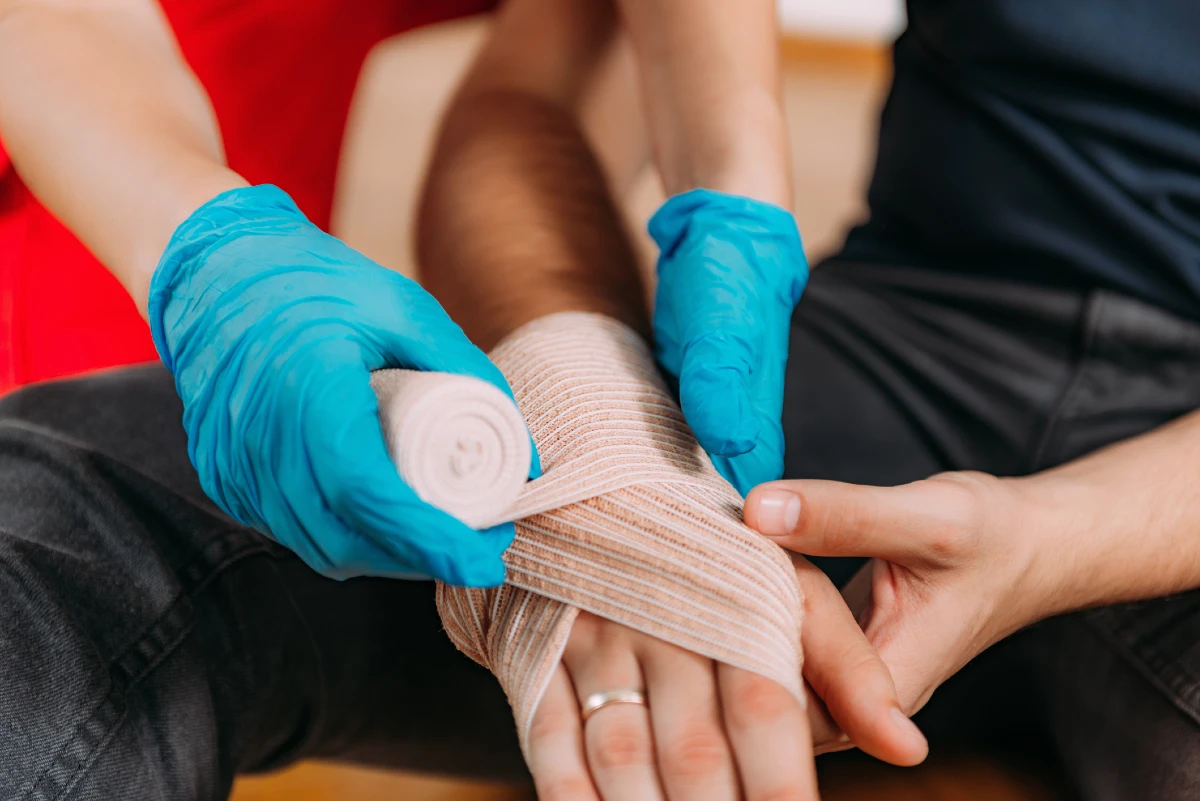
Direct pressure is one of the most effective techniques for slowing severe bleeding. Using a clean cloth, bandage, or soft fabric can help protect the wound while controlling blood flow.
Helpful pressure tips:
- Press firmly over the injured area
- Maintain steady pressure without lifting frequently
- Use both hands if needed
- Continue pressure for several minutes
- Add extra cloth layers if blood soaks through
Consistent pressure often helps encourage clot formation and improves bleeding control.
Elevate the Injured Area Carefully
Raising the injured limb slightly above heart level may help reduce blood flow to the wound when it can be done safely.
Safe elevation practices:
- Support the limb gently
- Avoid sudden movement
- Keep the injured person comfortable
- Stop elevation if pain increases
- Monitor the bleeding continuously
Elevation works best when combined with direct pressure.
Use Protective Barriers When Possible
Protecting both the injured person and the responder is an important part of emergency care.
Useful protective items:
- Disposable gloves
- Clean towels
- Gauze pads
- Protective cloth layers
- Hand-cleaning materials
Simple protective steps help maintain a safer environment during treatment.
Keep the Person Stable and Reassured
Emotional support can make a major difference during severe bleeding emergencies. Fear and stress may increase discomfort and make the situation feel worse.
Ways to provide reassurance:
- Speak calmly and clearly
- Encourage slow breathing
- Keep the person still
- Offer supportive communication
- Maintain eye contact if appropriate
A calm environment may help improve cooperation and comfort.
Watch For Warning Signs
Continuous observation is important while managing severe bleeding. Some symptoms may indicate the condition is becoming more serious.
Warning signs to monitor:
- Pale or cool skin
- Weakness or dizziness
- Rapid breathing
- Confusion
- Loss of responsiveness
Quick recognition of these signs allows faster emergency action.
Avoid Harmful Mistakes
Certain actions may worsen the injury or interrupt blood clotting.
Things to avoid:
- Removing deeply embedded objects
- Constantly checking the wound by lifting coverings
- Applying unnecessary pressure around fractures
- Using unclean materials directly on the injury
- Allowing excessive movement
Careful handling supports safer bleeding management.
Continue Care until Help Arrives
Severe bleeding situations require steady attention. Continue applying pressure, monitoring the injured person, arterial bleed and maintaining a calm setting until trained medical assistance takes over. Learning these emergency techniques can improve confidence and preparedness during critical moments. Fast action, supportive care, and proper bleeding control methods all contribute to better protection and safer outcomes when severe injuries occur.