Health

Mindful Sessions Introduce Fresh Perspectives Through Breathing Workshop

A calm breathing practice can create space for clearer thoughts, renewed awareness, and a more balanced daily rhythm. Mindful sessions centered on intentional breathing encourage participants to pause, observe their inner state, and appreciate the present moment. These practices can make each session feel refreshing while supporting a positive connection between breath, attention, and everyday experiences.

Building Awareness Through Breath

Breathing offers a simple way to bring attention toward the present and create a peaceful moment of reflection.

  • Gentle breathing exercises encourage steady awareness.
  • Slow rhythms can make sessions feel calm and comfortable.
  • Focused breathing supports attentive participation.
  • Simple techniques can fit naturally into regular routines.
  • Repeated practice can encourage greater familiarity with mindful pauses.

Creating Fresh Perspectives

A dedicated breathing workshop can introduce practical ideas that encourage people to approach ordinary moments with renewed awareness.

  • Participants can explore different breathing patterns.
  • Guided pauses can encourage thoughtful observation.
  • Quiet exercises create opportunities for personal reflection.
  • Breathing practices can inspire a more positive daily outlook.
  • New techniques can add variety to mindful routines.

When participants give themselves time to breathe with intention, they may notice subtle changes in how they experience thoughts, surroundings, and daily activities. The Ademhaling Workshop approach can make breathing exercises approachable while creating a welcoming space for curiosity and personal discovery.

Encouraging Positive Daily Habits

Mindful breathing becomes especially meaningful when simple practices are carried beyond individual sessions and incorporated into everyday routines.

  • Short breathing pauses can refresh busy moments.
  • Morning practices can establish a peaceful beginning.
  • Evening exercises can create a gentle transition toward rest.
  • Regular practice can strengthen awareness of breathing patterns.
  • Intentional pauses can complement other healthy lifestyle habits.

The flexibility of breathing exercises allows participants to select practices that feel comfortable and meaningful. Some may enjoy quiet observation, while others may prefer guided rhythms or structured exercises. This variety keeps sessions engaging and gives everyone opportunities to discover techniques that suit their personal preferences.

Making Every Session Meaningful

A thoughtful breathing session can become more than a temporary pause by encouraging continued awareness and appreciation throughout the day.

  • Clear guidance can make techniques easier to follow.
  • Comfortable pacing can support relaxed participation.
  • Repetition can help familiar practices feel natural.
  • Reflection can highlight useful personal observations.
  • Consistency can turn mindful breathing into a valued routine.

Breathing workshops offer a refreshing opportunity to slow down, reconnect with the present, and explore new perspectives through simple practices. Each session can encourage calm attention, positive reflection, and greater appreciation for everyday moments. With approachable techniques and purposeful pauses, mindful breathing can become an enjoyable part of a balanced routine.
Health

Key Emergency Techniques for Severe Bleeding Situations

Severe bleeding can become dangerous within minutes, making quick action extremely important. Knowing the right emergency techniques can help reduce blood loss, improve safety, and support recovery until professional medical care arrives. Calm thinking, proper positioning, and effective pressure methods are often the most valuable tools during these situations.

Stay Calm and Assess the Situation

The first step is to remain focused and evaluate the injury carefully. Panic may delay helpful action, while a calm response encourages better decisions.

Important things to check:

  • The location of the wound
  • The amount of blood loss
  • Whether the bleeding is steady or forceful
  • The person’s level of alertness
  • Possible additional injuries nearby

A quick assessment helps determine the safest way to manage the emergency.

Apply Firm Direct Pressure

Arterial Bleed

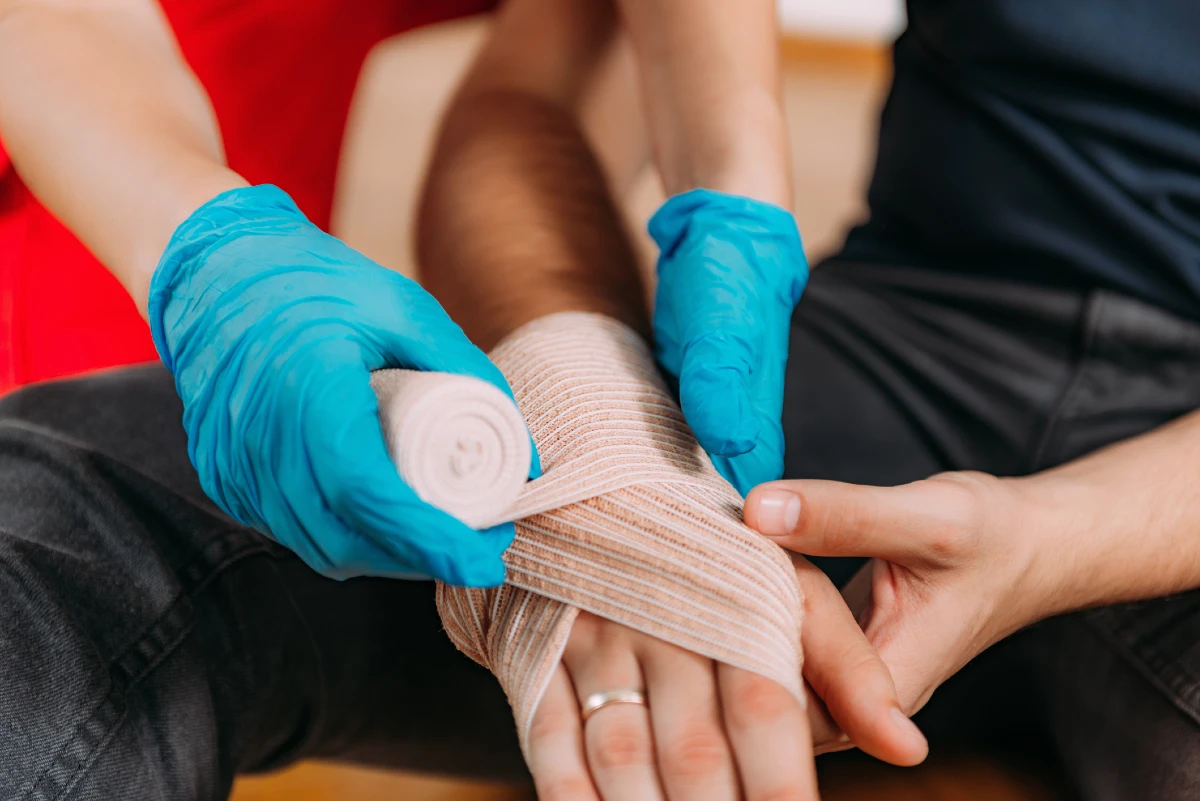
Direct pressure is one of the most effective techniques for slowing severe bleeding. Using a clean cloth, bandage, or soft fabric can help protect the wound while controlling blood flow.

Helpful pressure tips:

  • Press firmly over the injured area
  • Maintain steady pressure without lifting frequently
  • Use both hands if needed
  • Continue pressure for several minutes
  • Add extra cloth layers if blood soaks through

Consistent pressure often helps encourage clot formation and improves bleeding control.

Elevate the Injured Area Carefully

Raising the injured limb slightly above heart level may help reduce blood flow to the wound when it can be done safely.

Safe elevation practices:

  • Support the limb gently
  • Avoid sudden movement
  • Keep the injured person comfortable
  • Stop elevation if pain increases
  • Monitor the bleeding continuously

Elevation works best when combined with direct pressure.

Use Protective Barriers When Possible

Protecting both the injured person and the responder is an important part of emergency care.

Useful protective items:

  • Disposable gloves
  • Clean towels
  • Gauze pads
  • Protective cloth layers
  • Hand-cleaning materials

Simple protective steps help maintain a safer environment during treatment.

Keep the Person Stable and Reassured

Emotional support can make a major difference during severe bleeding emergencies. Fear and stress may increase discomfort and make the situation feel worse.

Ways to provide reassurance:

  • Speak calmly and clearly
  • Encourage slow breathing
  • Keep the person still
  • Offer supportive communication
  • Maintain eye contact if appropriate

A calm environment may help improve cooperation and comfort.

Watch For Warning Signs

Continuous observation is important while managing severe bleeding. Some symptoms may indicate the condition is becoming more serious.

Warning signs to monitor:

  • Pale or cool skin
  • Weakness or dizziness
  • Rapid breathing
  • Confusion
  • Loss of responsiveness

Quick recognition of these signs allows faster emergency action.

Avoid Harmful Mistakes

Certain actions may worsen the injury or interrupt blood clotting.

Things to avoid:

  • Removing deeply embedded objects
  • Constantly checking the wound by lifting coverings
  • Applying unnecessary pressure around fractures
  • Using unclean materials directly on the injury
  • Allowing excessive movement

Careful handling supports safer bleeding management.

Continue Care until Help Arrives

Severe bleeding situations require steady attention. Continue applying pressure, monitoring the injured person, arterial bleed and maintaining a calm setting until trained medical assistance takes over. Learning these emergency techniques can improve confidence and preparedness during critical moments. Fast action, supportive care, and proper bleeding control methods all contribute to better protection and safer outcomes when severe injuries occur.