Recruitment across civil engineering and construction continues to evolve as projects demand specialized knowledge, practical expertise, and effective collaboration. Employers increasingly value professionals who can combine technical understanding with adaptability, communication, and problem-solving abilities. Recognizing these changing priorities helps candidates prepare for rewarding opportunities while enabling employers to build capable teams for future development.
1. Growing Demand for Specialized Skills
Construction projects require professionals with diverse capabilities to support planning, execution, and quality management. Recruitment increasingly focuses on matching individual expertise with specific project requirements.
- Structural engineering: Supports safe, reliable building design.
- Project management: Helps coordinate schedules, budgets, and resources.
- Site supervision: Encourages efficient daily operations.
- Quantity surveying: Supports accurate cost planning and financial control.
- Infrastructure planning: Contributes to practical, long-term development.
- Quality assurance: Promotes consistent standards throughout project delivery.
These specialized roles create opportunities for professionals to develop focused expertise and contribute meaningfully to successful project outcomes.
2. Digital Skills and Modern Construction Methods
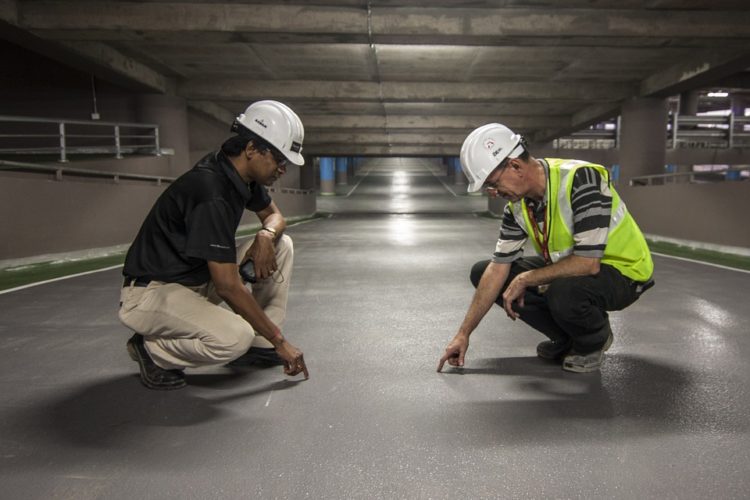
Digital transformation is influencing how construction teams plan projects, exchange information, and monitor progress. Employers increasingly appreciate candidates who are comfortable learning modern tools and improving established workflows.
- Digital design knowledge: Supports accurate planning and coordination.
- Data interpretation: Helps teams make informed project decisions.
- Technical documentation: Improves clarity and consistency.
- Digital collaboration: Encourages efficient communication across departments.
- Automation awareness: Helps professionals understand emerging construction methods.
Developing these abilities can strengthen professional profiles and improve adaptability across different project environments.
3. Communication and Teamwork as Key Strengths
Successful construction projects depend on cooperation between engineers, contractors, supervisors, and planning professionals. Recruiters therefore consider interpersonal abilities alongside technical qualifications.
- Clear communication: Supports accurate information sharing.
- Team collaboration: Encourages productive working relationships.
- Problem-solving: Helps teams address project challenges effectively.
- Leadership skills: Strengthen coordination and decision-making.
- Adaptability: Supports changing project priorities and responsibilities.
Professionals who demonstrate these strengths can contribute to smoother project execution and stronger workplace relationships.
4. Sustainability and Responsible Construction
Environmental awareness is becoming an important consideration in engineering and construction recruitment. Employers value professionals who understand resource efficiency and responsible building practices.
- Energy-efficient design principles.
- Responsible material selection.
- Waste reduction strategies.
- Water conservation awareness.
- Sustainable infrastructure planning.
These capabilities help candidates prepare for evolving project expectations while contributing to thoughtful, long-term development.
5. Continuous Learning and Career Development
Ongoing professional development helps candidates remain competitive as project requirements evolve. Exploring recruitment guidance and industry opportunities, including resources available through https://bouwhuysch.nl/, can help professionals understand career expectations and identify suitable development goals.
- Pursue relevant technical training.
- Strengthen practical project experience.
- Update professional portfolios regularly.
- Develop leadership and planning capabilities.
- Seek opportunities to learn from experienced colleagues.
6. Building a Future-Ready Workforce
Recruitment trends reflect the importance of combining technical expertise, digital awareness, and people-focused abilities. Candidates who continue learning and employers who invest in professional growth can build stronger foundations for future construction projects.
By understanding these priorities, civil engineering and construction professionals can make informed career decisions, demonstrate their value, and prepare for meaningful opportunities across a changing industry.
