Efficient industrial operations depend on accurate airflow management, consistent pressure control, and dependable equipment performance. Pneumatic valves play an important role in achieving these requirements by controlling compressed air movement within automated systems. Their working principles help machinery perform different operations smoothly while supporting productivity and operational consistency. Understanding their construction, functions, and applications provides valuable insights into their contribution to modern industrial processes.
Understanding The Basic Working Principle
Pneumatic valves regulate the direction, pressure, and flow of compressed air throughout a pneumatic system. Their internal mechanisms open, close, or redirect airflow according to specific operating requirements. This controlled movement allows connected equipment to perform mechanical functions with accuracy and consistency.
Important working characteristics include:
- Regulating compressed air movement between different connections.
- Controlling airflow direction through internal valve mechanisms.
- Managing pressure levels for suitable operating conditions.
- Supporting smooth movement in pneumatic cylinders.
- Enabling coordinated operations within automated machinery.
Exploring Different Types Of Pneumatic Valves
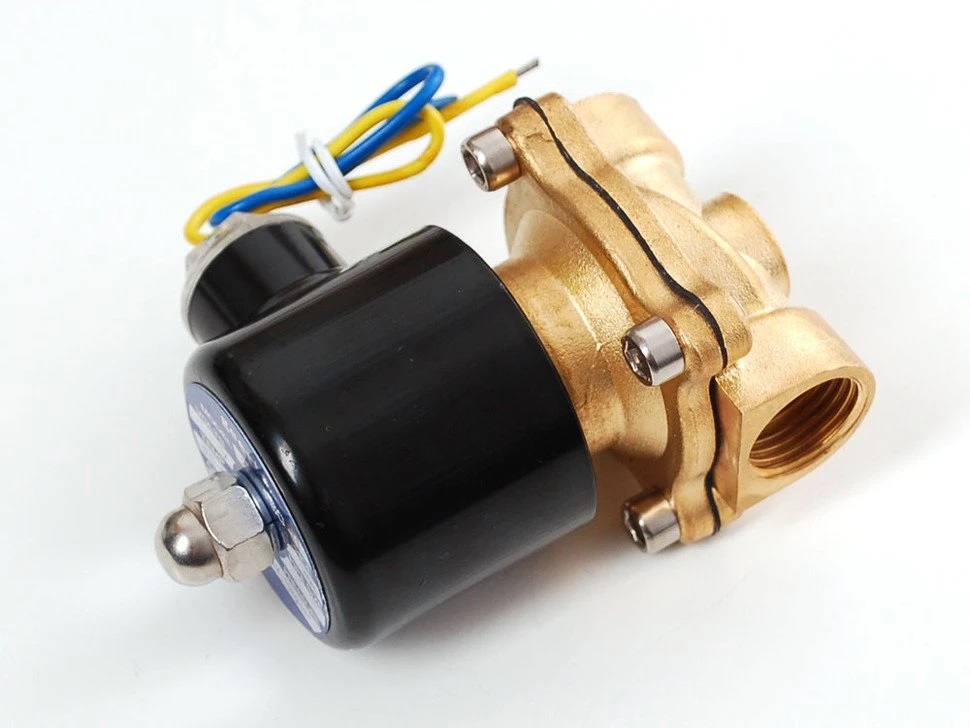
Different pneumatic valve designs serve specific control requirements. Understanding their individual functions helps industries select suitable components for machinery, production equipment, and automation applications. Each type contributes to efficient airflow management through its particular operating mechanism.
- Directional control valves guide air toward selected pathways.
- Pressure control valves maintain suitable system pressure.
- Flow control valves regulate airflow speed and movement.
- Solenoid valves use electrical signals for convenient actuation.
- Manual valves provide direct control through physical operation.
Understanding Valve Construction And Components
A pneumatic valve contains several carefully designed components that work together to regulate compressed air. Each internal element contributes to reliable operation, accurate switching, and consistent airflow management. Understanding these components makes it easier to appreciate the engineering behind pneumatic control systems.
The main components commonly include:
- Valve bodies that contain internal airflow passages.
- Spools or poppets that control air movement.
- Springs that support automatic return operations.
- Seals that help maintain effective pressure control.
- Actuators that enable different valve switching functions.
Exploring Different Valve Actuation Methods
Pneumatic valves can operate through different actuation methods depending on system requirements. These mechanisms provide convenient control and support coordinated machinery operations. Understanding their working methods helps identify suitable arrangements for different industrial applications.
- Manual actuation provides direct operator control.
- Solenoid actuation enables electrically controlled switching.
- Pneumatic pilot actuation uses compressed air signals.
- Mechanical actuation responds to physical movement.
- Spring return mechanisms restore the normal valve position.
Benefits Of Pneumatic Valves In Automation
Pneumatic valves contribute to productive industrial environments by providing controlled airflow and dependable machine operation. Their functional flexibility makes them valuable components in various automated processes.
Some important operational advantages include:
- Smooth control of pneumatic cylinder movements.
- Consistent airflow distribution across connected equipment.
- Convenient integration into automated machinery.
- Accurate switching for coordinated production activities.
- Efficient operation through suitable pressure regulation.
Maintenance For Consistent Performance
Regular inspection helps maintain pneumatic valve functionality and supports dependable equipment operation. Checking connections, seals, and airflow conditions encourages consistent performance throughout industrial applications.
Understanding Industrial Applications
Pneumatic valves support packaging, assembly, material handling, and manufacturing activities. Readers exploring https://www.vincervalve.com/pneumatic-valve-working-principle/ can discover additional information about their working principles and industrial relevance.
Supporting Reliable Industrial Operations
Understanding pneumatic valve operation highlights the importance of controlled airflow, suitable components, and effective system design. Proper selection and regular maintenance contribute to consistent machinery performance, improved automation, and productive industrial operations.
